
Tiling and floors
Floors and walls, laid level and set out properly.
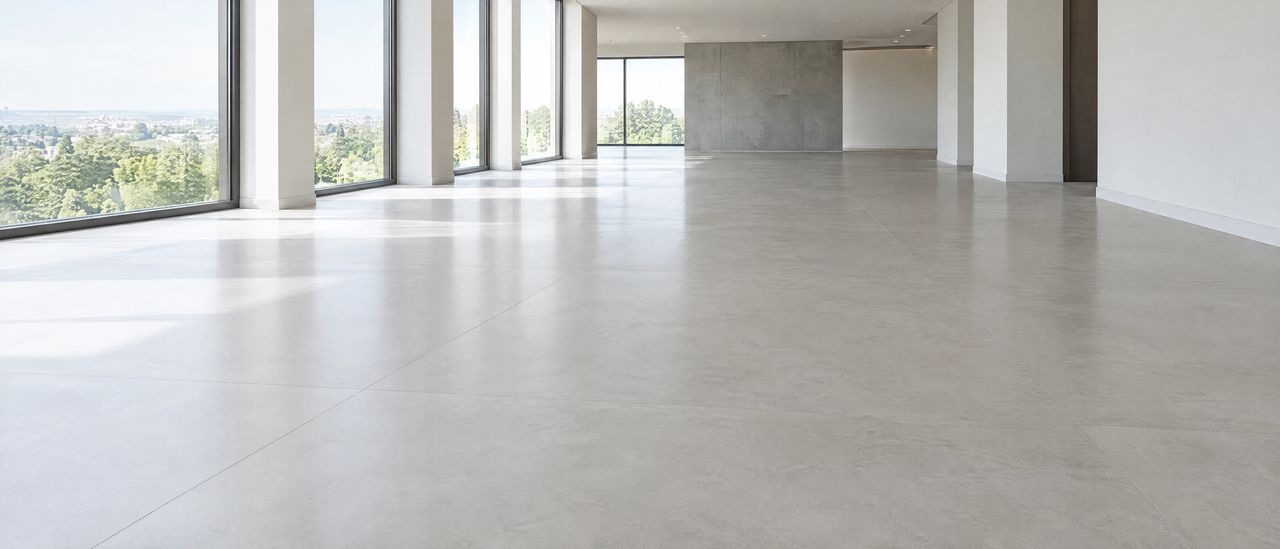
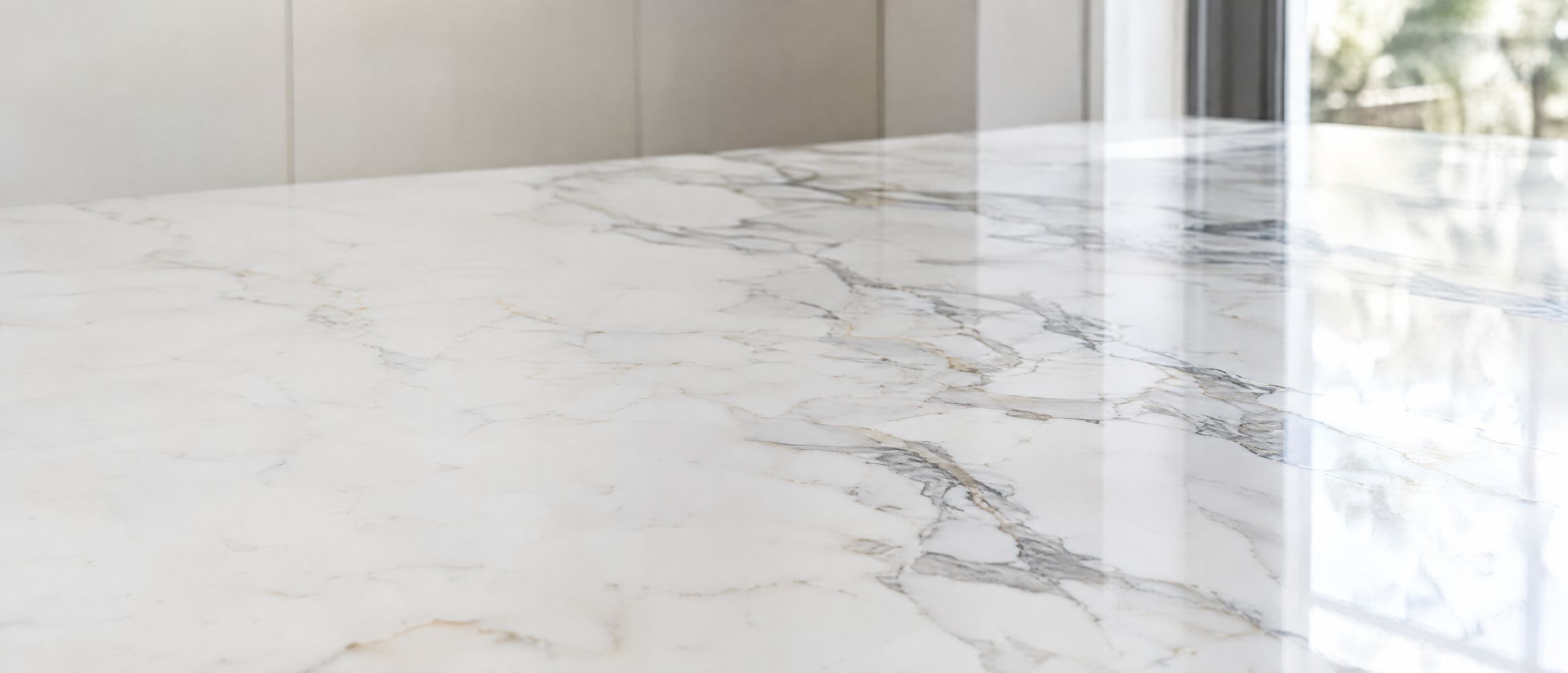
Porcelain, stone, patterned tile, LVT and wood. Planned before we start, so cuts land where they should.
What we lay
- Wall tiling for bathrooms, kitchens and splashbacks
- Floor tiling, including large-format porcelain
- Patterned and period-style hallway tiles
- LVT and laminate flooring
- Engineered wood, including herringbone and chevron
- Taking up old floors and preparing the subfloor
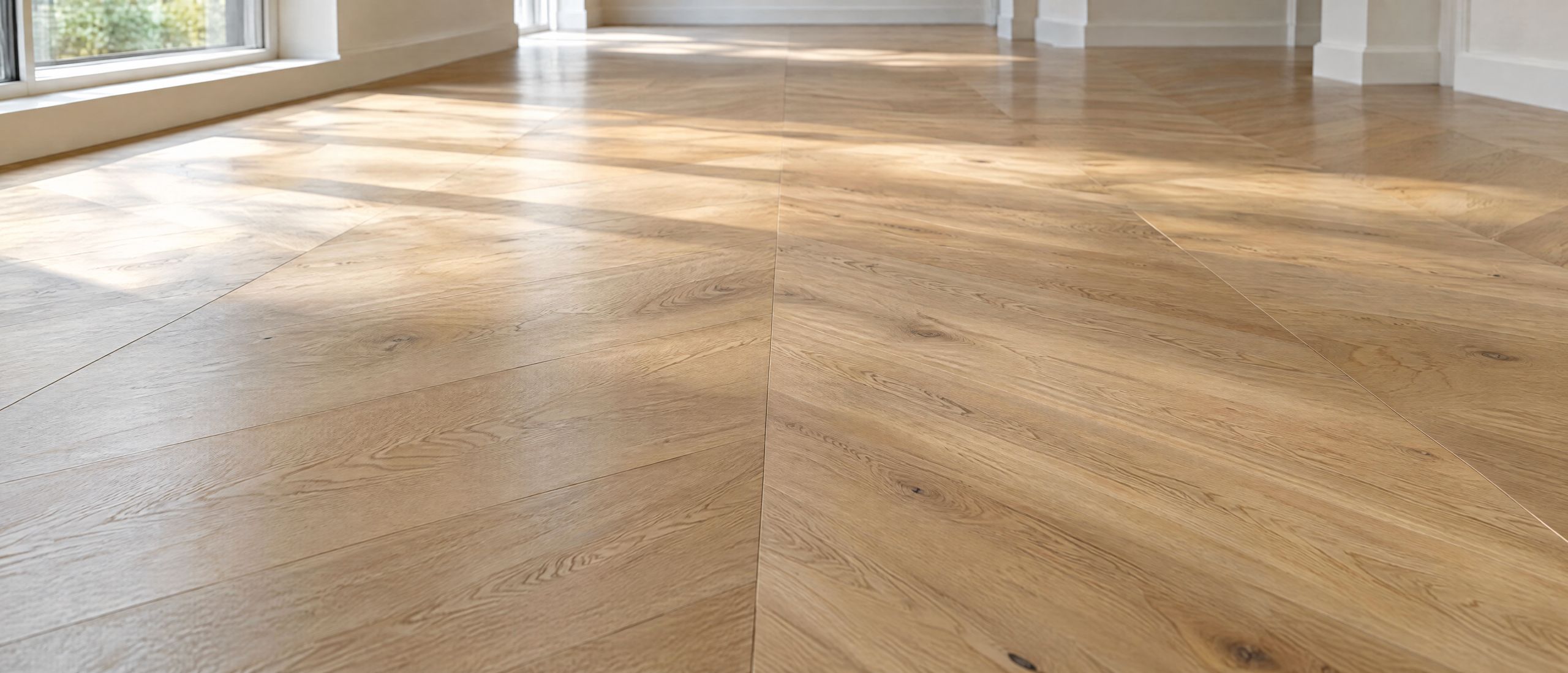
Herringbone and chevron
Engineered oak and wood-effect tile laid in patterns that make a room. Every point lined up.
What would your floor cost?
Tell us the area and the finish, and see a guide price in a couple of minutes.
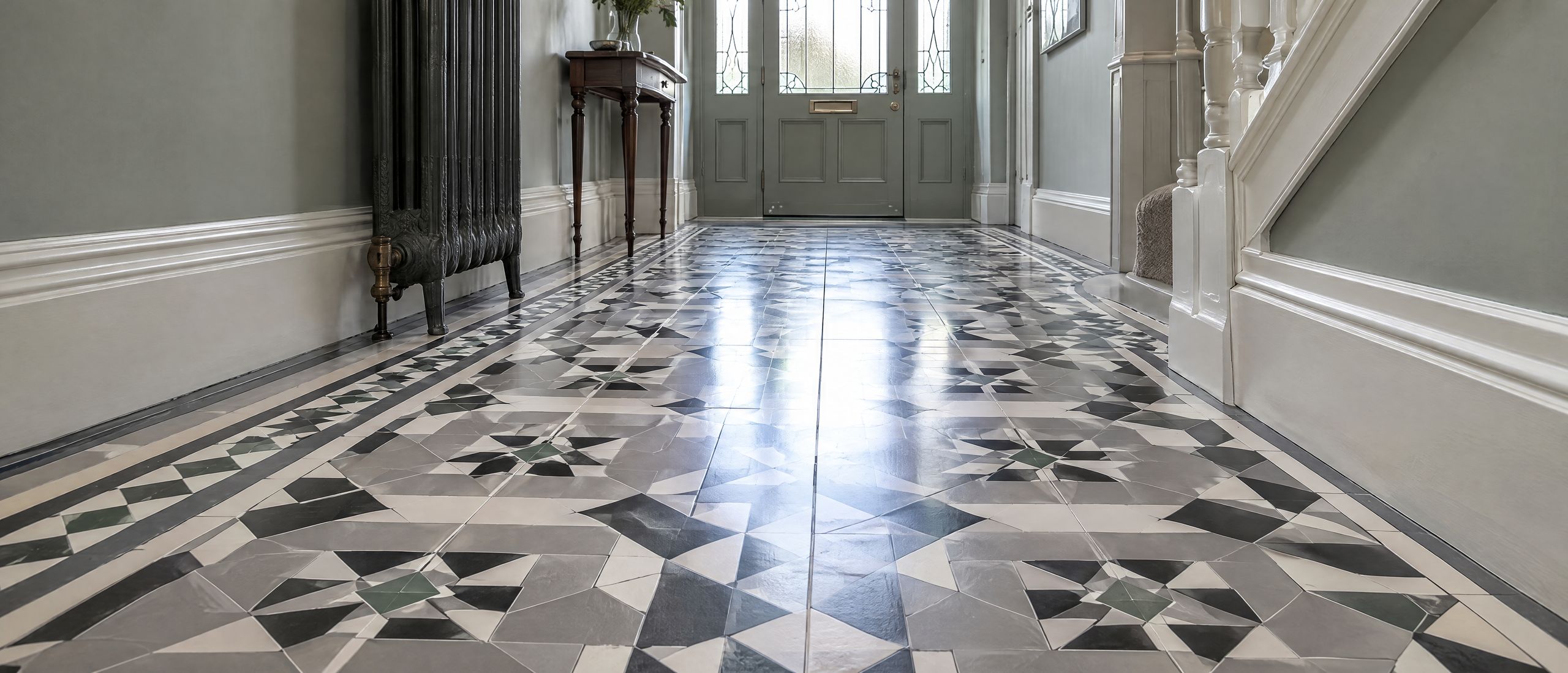
Period hallway floors
Geometric tiles that suit Victorian and Edwardian homes, laid with crisp borders and tight joints.
Common questions
How much does tiling cost per square metre?
Tiling labour typically costs around £40 to £60 per square metre, plus the tiles and adhesive. Large-format, patterned and herringbone layouts cost more because they take longer to set out and cut. Small jobs carry a minimum charge.
Porcelain or ceramic tiles: which is better?
Porcelain is denser and more hard-wearing, so it's the better choice for floors, showers and large formats. Ceramic is lighter, easier to cut and usually cheaper, which makes it a good choice for walls and splashbacks.
Can you tile over my existing tiles?
Sometimes, but we usually advise against it. Old tiles can be loose or uneven underneath, and tiling over them raises the floor. Taking them up and preparing the surface properly gives a longer-lasting result.
Do you supply the tiles?
Either way works. You can buy your own tiles, or we can source them at trade prices. Either way, we'll check you have enough, with the right allowance for cuts and breakages, before we start.
How long before I can walk on a newly tiled floor?
Usually 24 hours with standard adhesive and grout, or sooner with rapid-setting products. We'll tell you exactly when the floor can take normal use.